The Art of Doing Nothing in the Forest: Why Shinrin-Yoku Works
The Art of Doing Nothing in the Forest: Why Shinrin-Yoku Works
There's a peculiar irony at the heart of modern wellness culture: we've become obsessed with optimizing our health through increasingly complicated protocols—supplement stacks, biohacking devices, performance tracking apps—when the most powerful medicine available asks almost nothing of you except your presence. Walk slowly through a forest. Breathe. Notice what's around you. That's it. The Japanese call this deceptively simple practice shinrin-yoku (森林浴), and over the past two decades, scientific research has caught up to what Japanese physicians have known for centuries: forest bathing isn't metaphorical healing. It's measurable, reproducible, and profoundly real.
The term shinrin-yoku translates literally as "forest" (shinrin) "bath" (yoku)—but don't let the translation mislead you. You're not bathing in water. Instead, you're immersing yourself in the forest atmosphere, absorbing its essence through all your senses. The practice emerged in Japan during the 1980s as a preventative health measure, developed by the Japanese Ministry of Agriculture, Forestry and Fisheries. It was born from both necessity and wisdom: a recognition that as Japanese society industrialized at breakneck speed, people were losing something essential. The ministry didn't invent the practice so much as name and codify what Japanese culture had always understood—that forests possess a particular kind of restorative power.
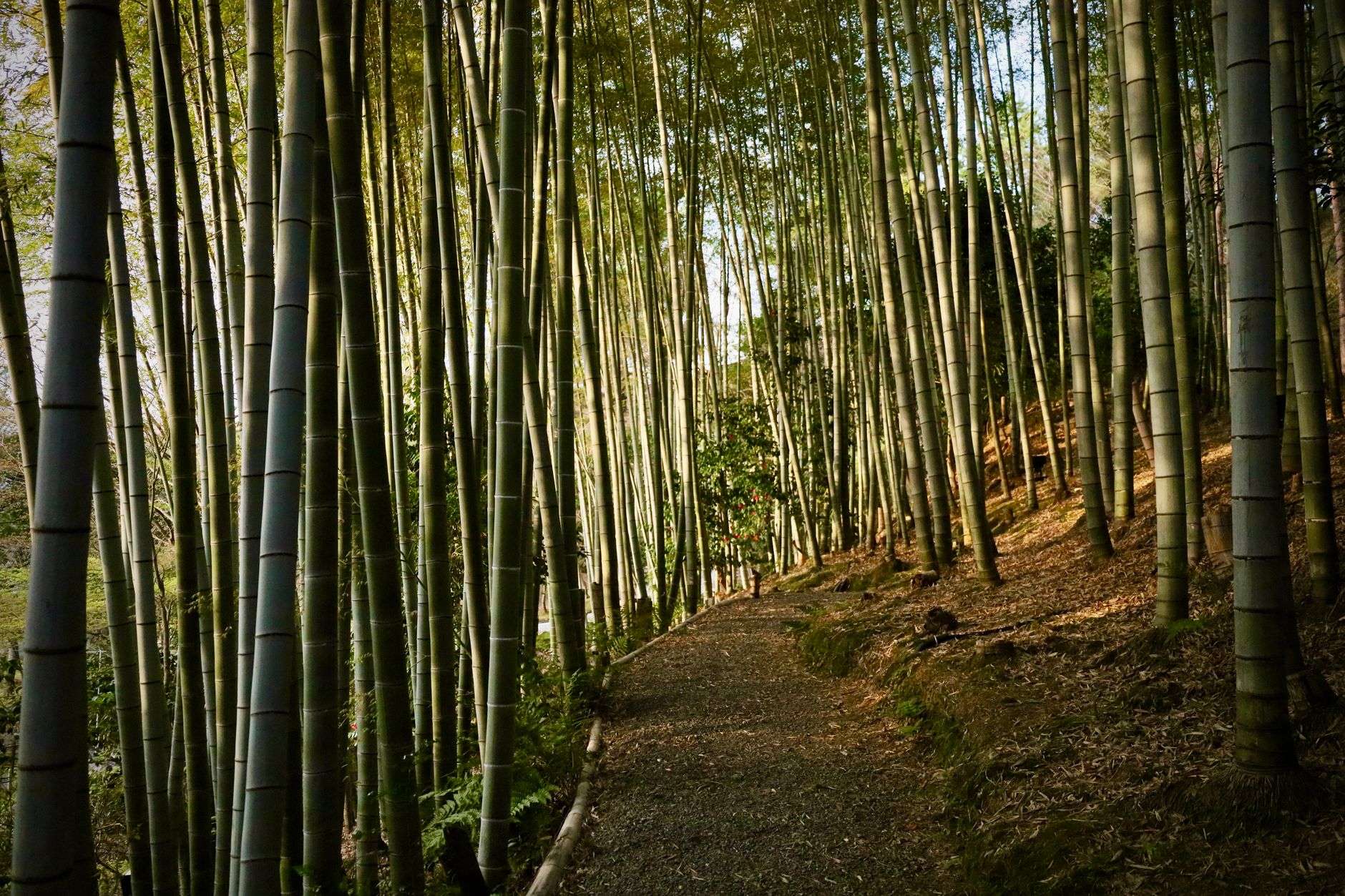
What makes shinrin-yoku distinct from a simple nature walk or hike is its intentionality and pace. You're not exercising or achieving a destination. There's no summit to reach, no fitness tracker to satisfy. Instead, you move slowly—perhaps a mile or two per hour—engaging all five senses deliberately. You notice the texture of bark, the pattern of light filtering through leaves, the smell of soil and cedar, the sound of branches and birdsong. This sensory immersion triggers a cascade of physiological changes that modern science is only beginning to fully map.
The Science Behind the Stillness
The research supporting shinrin-yoku has grown remarkably robust. In a landmark 2019 study published in Frontiers in Psychology, researchers found that just 20 minutes in nature significantly lowered cortisol—the primary stress hormone—in study participants. Other research has demonstrated that forest environments increase parasympathetic nervous system activity, the "rest and digest" system that counterbalances our stress response. Your heart rate slows. Blood pressure drops. The constant vigilance your body maintains in urban environments simply... releases.
One of the most fascinating mechanisms behind forest bathing involves compounds called phytoncides—volatile organic compounds released by trees, particularly conifers like cypress and pine. When you breathe these compounds in, your body doesn't just relax; it appears to strengthen. Japanese studies have shown that forest bathing increases natural killer (NK) cells, a type of white blood cell crucial to immune function. Participants who spent time in forests showed elevated NK cell activity for up to 30 days after their visit. The forest, quite literally, is training your immune system.
The Japanese have even developed a specific field of medicine around these findings. Forest medicine practitioners now prescribe shinrin-yoku for stress-related conditions, hypertension, and immune deficiency. It's preventative medicine that costs nothing and produces no side effects—unless you count the discomfort of sitting with your own thoughts, which, of course, is often the point.
How to Practice Forest Bathing
Begin with intention, not intensity. You don't need a pristine old-growth forest (though those are ideal). Any wooded area—a local park, a nature preserve, even a tree-lined path in your neighborhood—will work. The key is choosing a place where you feel genuinely removed from urban noise and stimulation.
Slow down radically. Aim for 20 to 40 minutes minimum, moving at a pace that feels almost leisurely. There's no distance goal. If you find yourself breathing hard, you've moved too quickly. The practice works through sustained, gentle exposure, not exertion.
Engage each sense deliberately. Don't just look at the forest—really see it. What colors appear that you normally miss? What textures can you feel? Spend time identifying sounds and smells. This sensory engagement anchors you in the present moment and prevents your mind from drifting into the anxious rumination that characterizes modern stress.
Release the outcome. Resist the urge to measure or optimize the experience. You're not trying to lower your cortisol or boost your immune cells (though you are). That attachment to results is precisely what shinrin-yoku teaches you to release. Simply be present.
The Japanese understood something that neuroscience is now confirming: we are not separate from nature. We are permeable beings shaped and restored by our environment. In a forest, your nervous system recognizes what it has always known—that you are safe, that you belong to something larger than yourself. The medicine is in the recognition.
```Want to go deeper?
Our complete paid guide on this topic includes 20+ actionable practices, real-world applications, and a 30-day implementation plan. Join The Enso →
You might also enjoy
- The Japanese Relationship with Nature: Ancient Wisdom for Modern Connection
- Seijaku: The Art of Finding Stillness Within Action
- The Japanese Art of Sleep: Why Japan Sleeps Better Despite Working Harder
Join free to read these essays next:
- The Art of Living Long: What Japan's Centenarians Reveal About a Life Well-Lived
- Beyond Marie Kondo: The Deeper Japanese Philosophy Behind Minimalism
- Wabi-Sabi at Work: Finding Excellence in Your Imperfect Career
The Enso — Japanese Wisdom. Every Thursday.
If something in this essay landed for you, The Enso is where I keep writing like this. No productivity hacks. No wellness brand. Just the concepts I grew up with in Kyoto — shared honestly, for people searching for a different way to live.
Free members read:
- The Art of Living Long: What Japan's Centenarians Reveal About a Life Well-Lived
- Beyond Marie Kondo: The Deeper Japanese Philosophy Behind Minimalism
- Wabi-Sabi at Work: Finding Excellence in Your Imperfect Career
- Ma (間): The Japanese Art of Embracing Emptiness — and 4 more member-only essays
Unsubscribe any time. — Kenji
Join free to read these essays next:
- The Art of Living Long: What Japan's Centenarians Reveal About a Life Well-Lived
- Beyond Marie Kondo: The Deeper Japanese Philosophy Behind Minimalism
- Wabi-Sabi at Work: Finding Excellence in Your Imperfect Career
The Enso — Japanese Wisdom. Every Thursday.
If something in this essay landed for you, The Enso is where I keep writing like this. No productivity hacks. No wellness brand. Just the concepts I grew up with in Kyoto — and couldn't fully see until I left, burned out, and came back.
Free members read:
- The Art of Living Long: What Japan's Centenarians Reveal About a Life Well-Lived
- Beyond Marie Kondo: The Deeper Japanese Philosophy Behind Minimalism
- Wabi-Sabi at Work: Finding Excellence in Your Imperfect Career
- Ma (間): The Japanese Art of Embracing Emptiness — and 4 more member-only essays
No credit card. Unsubscribe any time. — Kenji
The Enso — Japanese Wisdom. Every Thursday.
If something in this essay landed for you, The Enso is where I keep writing like this. No productivity hacks. No wellness brand. Just the concepts I grew up with in Kyoto — and couldn't fully see until I left, burned out, and came back.
Free members read:
- The Art of Living Long: What Japan's Centenarians Reveal About a Life Well-Lived
- Beyond Marie Kondo: The Deeper Japanese Philosophy Behind Minimalism
- Wabi-Sabi at Work: Finding Excellence in Your Imperfect Career
- Ma (間): The Japanese Art of Embracing Emptiness — and 4 more member-only essays
No credit card. Unsubscribe any time. — Kenji