The Japanese Art of Sleep: Why Japan Sleeps Better Despite Working Harder

The Japanese Art of Sleep: Why Japan Sleeps Better Despite Working Harder
You might think that a nation famous for 80-hour work weeks and intense corporate culture would struggle with insomnia. Yet Japan has one of the lowest rates of chronic sleep disorders in the developed world—around 15% compared to 35% in the United States. This isn't luck or genetics. It's the result of deeply embedded cultural practices around sleep that have evolved over centuries.
The paradox reveals something Western sleep science has missed: working hard and sleeping well aren't opposites. They're partners in a philosophy that treats rest not as laziness, but as a necessary ritual. Understanding the Japanese approach to sleep means learning how to honor your body's need for recovery without guilt, and how to create conditions where deep sleep becomes inevitable.
The Philosophy Behind Japanese Sleep Culture
To understand why Japanese sleep practices work, you need to grasp the concept of ki (pronounced "kee")—often translated as "life force" or "vital energy." In Japanese philosophy, ki flows through your body like water through a river. When you're well-rested, ki moves freely. When you're exhausted, it stagnates.
This isn't mystical thinking. It's an ancient framework for understanding what modern neuroscience now confirms: sleep isn't a pause in life. It's when your brain consolidates memories, repairs cellular damage, and resets your nervous system. The Japanese simply named this process centuries before we had MRI machines.
Equally important is the concept of ma (pronounced "mah")—literally "space" or "interval." In Japanese aesthetics, ma refers to the empty space between things, and how that emptiness gives meaning to what surrounds it. Applied to sleep, ma means that rest isn't separate from activity—it's the space that makes activity possible. You cannot have a day without night. You cannot have productivity without recovery.
The Western mind often treats sleep as lost time. You "lose" eight hours a night. The Japanese approach reframes sleep as essential time—time your body and mind require to function. This shift in perspective changes everything about how you prioritize and protect your sleep.
How Japanese Culture Protects Sleep (Even When Work Is Demanding)
The Sacred Nature of Bedtime Rituals
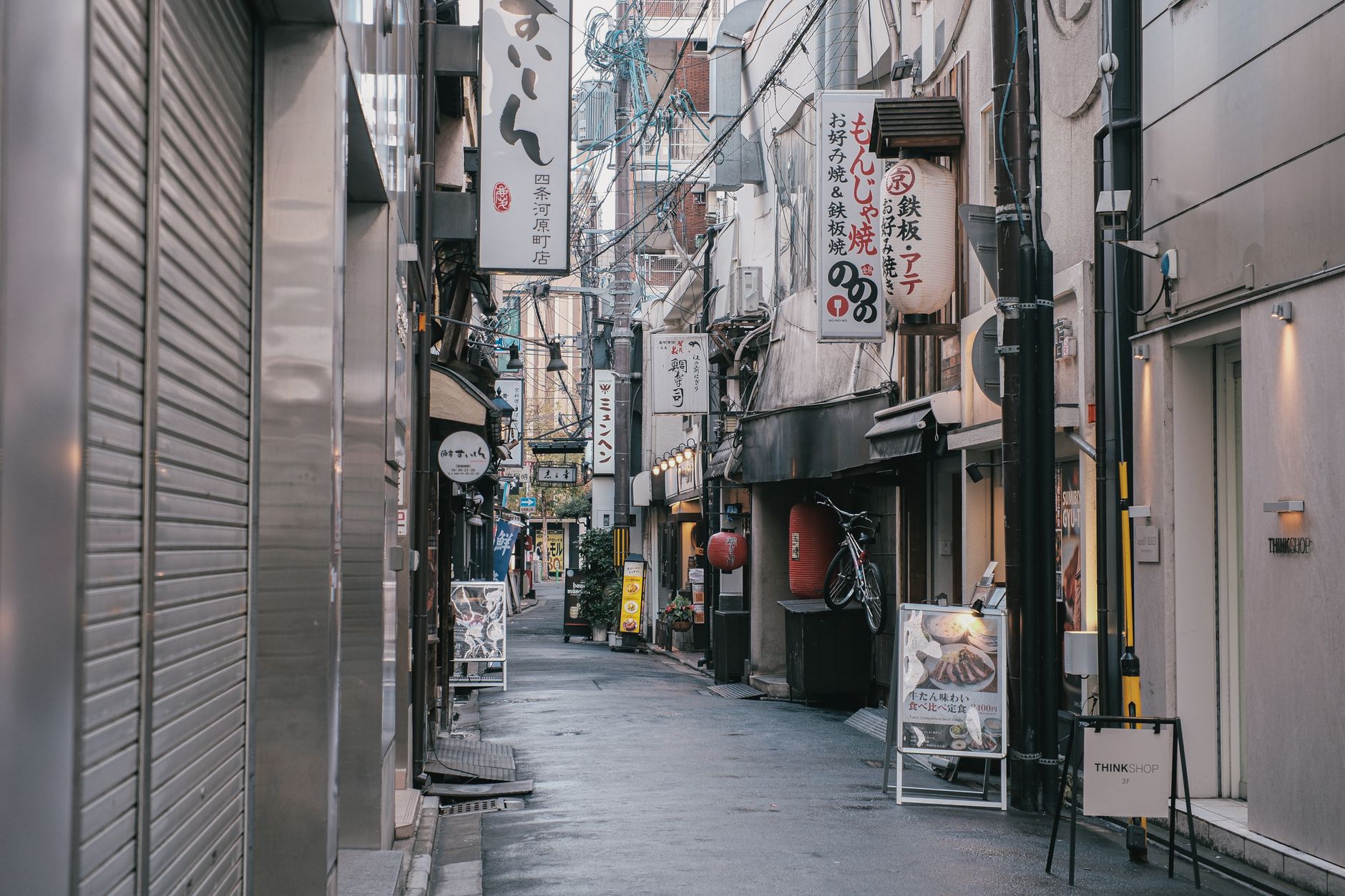
Walk through a Japanese neighborhood at 10 p.m., and you'll notice something striking: most lights are off. This isn't because Japanese people have no hobbies or social lives. It's because there's a cultural understanding that certain hours belong to sleep preparation.
In Japan, the practice of yoru no junbi (pronounced "yo-ro no joon-bee")—literally "evening preparation"—is taken seriously. This isn't a rushed 10-minute routine. It's a 30-60 minute wind-down that might include a bath (not a shower), warm tea, light stretching, or simply sitting in quiet.
The onsen (Japanese hot bath) or sento (public bath) culture exemplifies this. Even in modern cities, taking a warm bath before bed isn't treated as a luxury; it's a standard part of sleep hygiene. The warm water raises your core body temperature, and when you leave the bath, your body temperature drops—triggering the natural cascade that leads to sleep.
Notice what's absent from this ritual: screens. Japanese homes have designed bedrooms that are genuinely separate from living spaces. Beds aren't typically surrounded by entertainment systems or work desks. The bedroom is for sleep and intimate connection—nothing else.
The Power of Seasonal Alignment
Japan's climate varies significantly by season, and traditional Japanese sleep practices adapted to these changes rather than fighting against them. In summer, lighter bedding and natural ventilation allow the body to cool. In winter, thicker quilts and warmer bedrooms support deeper sleep.
More importantly, Japanese culture doesn't fight seasonal shifts in sleep duration. You might naturally sleep more in winter and less in summer, and this is seen as normal—even healthy. The body follows circadian rhythms tied to daylight and temperature, and the Japanese approach works with this biology rather than imposing a rigid 8-hour target year-round.
Social Norms Around Sleep Talk
In Japan, bragging about how little sleep you need is not a status symbol. In fact, it's the opposite. Admitting you're tired and need rest is seen as self-awareness, not weakness. A colleague who says "I didn't sleep well last night, so I'm going to take things slowly today" is respected for knowing their limits.
This cultural permission to honor your sleep needs removes a huge source of stress. You're not fighting against your exhaustion. You're acknowledging it and adjusting accordingly.
Real-World Examples: Japanese Sleep Practices in Action
The Inemuri Phenomenon
You've probably heard of inemuri (pronounced "ee-neh-moo-ree")—the practice of "sleeping while present." It's when someone dozes off during a meeting, on a train, or at a social gathering, and it's treated as completely normal in Japan.
Why? Because inemuri is understood as evidence that you've worked hard, not that you're lazy. A person who falls asleep on the commute train is presumed to be exhausted from a productive day—which is actually a compliment in the hustle culture of Tokyo. The practice also serves a practical function: short naps (even 5-10 minutes) during the day reduce sleep pressure, allowing for better nighttime sleep.
This is different from Western nap culture, which often carries shame. In Japan, inemuri is neutral—just your body taking what it needs when it needs it.
The Company Nap Room
Some of Japan's largest corporations now have dedicated nap rooms. Google copied this practice, but it originated in Japanese companies that recognized a simple fact: a 15-20 minute nap increases afternoon productivity by 25-40%. Rather than fighting employee fatigue with more coffee, they created space for sleep.
One famous example is the Japanese cosmetics company Shiseido, which installed nap rooms in their Tokyo offices in the early 2000s. Employees can book a pod for a brief rest, returning to work refreshed. This isn't treated as a perk—it's treated as basic infrastructure, like bathrooms or water fountains.
The Decline of Bedtime Television, The Rise of Pre-Sleep Rituals
Unlike American bedrooms, where a TV plays as people fall asleep, Japanese bedrooms typically don't have televisions. Instead, there's a clear boundary: the bedroom is for sleep. Entertainment happens in the living room. Work happens at a desk. Sleep happens in the bedroom.
This separation is so culturally embedded that even when Japanese people move to the West and live in open-concept apartments, many still create a visual or physical barrier between sleeping and waking spaces—using screens, curtains, or furniture arrangement.
The 90-Minute Sleep Cycle Awareness
While not uniquely Japanese, the understanding of 90-minute ultradian rhythms (the natural cycles of sleep and wakefulness throughout the night) is deeply integrated into Japanese sleep culture. Rather than aiming for exactly 8 hours, many Japanese people calculate their sleep in multiples of 90 minutes: 6 hours (four cycles), 7.5 hours (five cycles), or 9 hours (six cycles).
This comes from observing that waking during a deep sleep cycle leaves you groggy, while waking between cycles leaves you refreshed. It's a simple math that anyone can use, and it reduces the stress of needing "exactly 8 hours."
Common Misconceptions About Japanese Sleep Practices
Misconception 1: Japanese people don't value sleep. The opposite is true. The culture values sleep so highly that work schedules (theoretically) accommodate it. The issue is that some Japanese industries have created unsustainable work cultures that violate these values. The problem isn't the philosophy; it's when the philosophy is abandoned.
Misconception 2: Japanese sleep practices require special equipment or extreme discipline. You don't need a Japanese bath or expensive meditation app. The core practices—separating bed from work, creating a wind-down ritual, honoring your body's signals—are free and accessible anywhere.
Misconception 3: The Japanese sleep less and just accept it. Studies show Japanese people average 6.5 hours per night on weekdays, but this includes people with insomnia and excessive work hours. When the cultural pressure is removed, they sleep closer to 7-8 hours. The difference is that when they do sleep, it's higher quality.
Misconception 4: You need to be Japanese to benefit from these practices. These aren't genetic. They're behavioral and environmental. Any culture can adopt them.
Five Actionable Practices You Can Start Today
1. Create a Bedroom Boundary (The Ma Practice)
Your bed should be for sleep and intimacy only. No work laptop. No phone scrolling. If possible, no television. If you live in a studio or small space, use a curtain, room divider, or even a visual marker to separate the sleeping area from the living area. This creates psychological ma—the sacred space that makes sleep possible.
You don't need a second room. A folding screen or even a hanging fabric can work. The point is the intention: this space is for rest.
2. Establish a Pre-Sleep Ritual (The Yoru no Junbi Practice)
Design a 30-60 minute wind-down that happens every night at the same time. This could include:
- A warm bath or shower (aim for 1-2 hours before bed; the temperature drop triggers sleepiness)
- Herbal tea (chamomile, ginger, or hojicha—roasted green tea)
- Light stretching or gentle yoga
- Reading physical books (not screens)
- Journaling or reflection
- Sitting quietly without entertainment
Pick 2-3 of these and commit to the same routine each night. Your body will begin to recognize the signals, and sleep will come more naturally. Consistency matters more than perfection.
3. Stop Checking Your Phone 90 Minutes Before Bed
Blue light from screens suppresses melatonin production. But more importantly, checking email, news, or social media activates your sympathetic nervous system (fight-or-flight response). You're literally waking your brain up right before you want to sleep.
Make a physical act of putting your phone in another room. The Japanese concept of monozuki (pronounced "moh-no-zoo-kee")—literally "thing-consciousness"—reminds us that objects carry energy. Your phone in the bedroom carries the energy of alertness. Remove it and you change the room's energy.
4. Embrace the 90-Minute Sleep Cycle (The Suimin Shūki Practice)
Stop obsessing over exactly 8 hours. Instead, calculate your sleep in 90-minute blocks. Six hours (4 cycles), 7.5 hours (5 cycles), and 9 hours (6 cycles) all allow you to wake between cycles, when you'll feel more refreshed.
If you have a flexible schedule, go to bed and set your alarm for one of these intervals. If your schedule is fixed, simply notice that you'll feel more rested with 7.5 hours than with 8 hours if the 8 hours wakes you mid-cycle.
5. Give Yourself Permission to Rest (The Ki Principle)
This is the deepest practice. When you're tired, rest. Not after you finish your task. Not after you accomplish one more thing. When your body signals fatigue, honor it. Take a 15-minute nap. Go to bed early. Slow down.
This isn't laziness. It's wisdom. Your body is telling you something. Japanese culture recognizes this as self-respect, not self-indulgence. You're maintaining your ki so you can perform at your best when you're awake.
Join free to read these essays next:
- The Art of Living Long: What Japan's Centenarians Reveal About a Life Well-Lived
- Beyond Marie Kondo: The Deeper Japanese Philosophy Behind Minimalism
- Wabi-Sabi at Work: Finding Excellence in Your Imperfect Career
Join free to read these essays next:
- The Art of Living Long: What Japan's Centenarians Reveal About a Life Well-Lived
- Beyond Marie Kondo: The Deeper Japanese Philosophy Behind Minimalism
- Wabi-Sabi at Work: Finding Excellence in Your Imperfect Career
A Story of Transformation: The Businessman Who Learned to Sleep
Shoji Iwata was a Tokyo businessman who, like many colleagues, wore his insomnia as a badge of honor. He bragged about working until 2 a.m., then starting again at 6. He drank coffee constantly and felt perpetually wired.
At 52, he had a minor health scare—nothing life-threatening, but enough to make him pause. A older mentor suggested he spend a weekend at a traditional ryokan (Japanese inn) in the mountains. No work. No screens. Just quiet.
During that weekend, Iwata did something he hadn't done in years: he let himself get bored. He sat on the porch. He soaked in the bath. He went to bed at 9 p.m. simply because there was nothing else to do. He slept 10 hours that first night—his body desperately catching up.
When he returned to Tokyo, he made one small change: he stopped working in his bedroom. He created a separate office space. His bedroom became sacred. He also committed to a wind-down ritual: 30 minutes of tea and reading before bed.
Within three weeks, his sleep normalized. He was sleeping 7 hours instead of 4, and he noticed something unexpected: he was more productive at work. His thinking was sharper. His mood was better. He was less reactive in meetings.
The irony was perfect. By protecting sleep, he became the very thing he thought sleeplessness would make him: more successful. Not because rest made him lazier, but because rest gave his brain the recovery it needed to perform.
Iwata's story isn't unique in Japan. It's repeated across the culture, in different versions, whenever someone stops fighting their biology and starts honoring it.
Why This Matters Now More Than Ever
You live in a world that constantly tells you sleep is negotiable. That you should optimize away the night. That sleep is a luxury for the weak.
Japan offers a different narrative. One that says: your body needs rest. This isn't a flaw. It's a feature. The most productive people in the world are those who respect their sleep as much as their work. Who understand that ma—the space between activity—isn't wasted time. It's essential time.
The practices in this guide aren't about becoming Japanese. They're about becoming honest with your biology. They're about recognizing that when you sleep well, everything else gets easier: your focus sharpens, your mood stabilizes, your creativity flows, your relationships improve.
Start with one practice this week. Create the boundary. Take the bath. Put the phone away. Honor your body's signal when it's tired. You'll be surprised how quickly sleep becomes easy again—not because you're broken and needed fixing, but because you finally stopped fighting what you actually need.
Your ki is waiting for you to rest. Listen to it.
Want the complete guide?
Our paid members get full 3,000-word practical guides with 20+ daily practices, case studies, and 30-day implementation plans for each concept. Join The Enso →
You might also enjoy
- Kaizen Morning Routine: How Japanese Continuous Improvement Transforms Your First Hour
- Seijaku: The Art of Finding Stillness Within Action
- Hara Hachi Bu: The Science and Philosophy Behind Japan's 80% Fullness Rule
The Enso — Japanese Wisdom. Every Thursday.
If something in this essay landed for you, The Enso is where I keep writing like this. No productivity hacks. No wellness brand. Just the concepts I grew up with in Kyoto — and couldn't fully see until I left, burned out, and came back.
Free members read:
- The Art of Living Long: What Japan's Centenarians Reveal About a Life Well-Lived
- Beyond Marie Kondo: The Deeper Japanese Philosophy Behind Minimalism
- Wabi-Sabi at Work: Finding Excellence in Your Imperfect Career
- Ma (間): The Japanese Art of Embracing Emptiness — and 4 more member-only essays
No credit card. Unsubscribe any time. — Kenji
The Enso — Japanese Wisdom. Every Thursday.
If something in this essay landed for you, The Enso is where I keep writing like this. No productivity hacks. No wellness brand. Just the concepts I grew up with in Kyoto — and couldn't fully see until I left, burned out, and came back.
Free members read:
- The Art of Living Long: What Japan's Centenarians Reveal About a Life Well-Lived
- Beyond Marie Kondo: The Deeper Japanese Philosophy Behind Minimalism
- Wabi-Sabi at Work: Finding Excellence in Your Imperfect Career
- Ma (間): The Japanese Art of Embracing Emptiness — and 4 more member-only essays
No credit card. Unsubscribe any time. — Kenji