Furusato: The Japanese Philosophy of Hometown That Explains Why You Feel Lost

Furusato: The Japanese Philosophy of Hometown That Explains Why You Feel Lost
I was thirty-seven when I understood what my grandmother meant by home.
For ten years in London—Canary Wharf, specifically, the kind of office where you compete for prestige instead of meaning—I thought home was something you left behind. A sentimental thing. The place you visited at Christmas, felt nostalgic about, then returned to your real life.
My grandmother, Tomoe, kept a small altar in her Kyoto house with a photograph of the Kamo River. Every morning before tea, she would look at it. Not pray to it. Just look. When I visited as a child, I thought it was quaint. When I came back in 2023—burned out, thirty-five, wondering if I'd wasted my thirties—she showed me the same photograph and said something I finally heard: "Furusato wa anata no kokoro no naka ni iru." Your hometown lives inside your heart.
Not in the past. Inside. Alive.
That word—furusato (pronounced "foo-roo-sah-toh")—has no perfect English translation. It means hometown, but not literally. It means the place where you belong. It means the source of your identity. It means the wells you drank from as a child, the festivals you watched, the sound of rain on certain roofs, the person you became before you learned to optimize yourself.
And it explains something I'd been missing for a decade: why I felt untethered in London despite the salary, the title, the perfect apartment. Why your body knows things your ambition won't admit.
What Furusato Actually Means (And Why Translation Fails)
The word appears in Japanese poetry and philosophy for at least 1,200 years, but it gained cultural weight during the Meiji period (1868-1912), when Japan modernized rapidly and millions left rural areas for cities. Suddenly, furusato wasn't just where you were born—it became a philosophical problem. What do you owe to a place you've left? What do you carry of it inside you?
The characters themselves tell the story: 古 (furu) means old or ancient, and 里 (sato) means village or hometown. But together they don't mean "old village." They mean something closer to "the place that made you who you are"—the origin point, the root system you grew from, visible or not.
Philosopher and poet Yoshida Kenkō, writing in his 1330 essays Essays in Idleness, explored this paradox: we leave our hometowns physically but carry them emotionally. The separation creates longing, but the longing itself is what keeps us human. In his view, furusato wasn't a place you lived—it was a place that lived in you.
This became embedded in Japanese consciousness in ways I didn't fully see until I left Japan and lost it.
The Etymology Matters Because It Changes How You Understand Belonging
In English, we separate: "I'm from Boston, but I live in New York." Past tense. Done. A fact on your resume.
In Japanese, furusato collapses that distance. You don't "have a hometown." You *are* a hometown, carried forward. It's present tense. It's active. It's inside you the way your DNA is inside you—not visible, but shaping everything.
That distinction changed how I understood my own burnout. I hadn't just left Kyoto. I'd abandoned the part of myself that knew how to be still. And no salary could replace it.
Why Furusato Isn't Just About Geography—And Why The West Gets It Wrong
I was wrong about this for years. I thought furusato was about nostalgia. Sentimentality. The kind of thing that holds people back—keeps them in small towns instead of chasing ambition.
But that's not what it is.
Furusato is about roots and routes. The Japanese anthropologist Dorinne Kondo has written extensively about how Japanese culture distinguishes between where you're from (your biological origin) and where you belong (your spiritual and social anchor). Most Western frameworks collapse these into one thing. Japan keeps them separate and sees them as equally important.
Here's what I missed: In London, I had no furusato. I had a career. I had a flat in Shoreditch. I had colleagues I saw more than friends. But none of it was rooted. None of it answered the question: where do I belong?
The question sounds poetic until you realize it's actually a health question. Belonging—real belonging, the kind that comes from roots—isn't luxury. It's infrastructure for the mind.
Three Western Misconceptions About Furusato
- Misconception 1: It's about staying put. False. Japanese people have migrated for centuries—to cities, to other islands, across continents. Furusato isn't about location. It's about maintaining connection to your origin, even in distance. The postwar generation that moved to Tokyo for work still sent money home, visited during Obon (the summer festival), and taught their children about the family home. They carried furusato with them.
- Misconception 2: It's pure nostalgia. No. Nostalgia is about the past. Furusato is about the present force of the past. It's the reason a Tokyo businesswoman still makes her grandmother's recipe. It's not because the past is beautiful. It's because the past is alive in her hands.
- Misconception 3: It's unique to Japan. Wrong—but Japan *practices* it differently. Every culture has roots. But Western culture often frames leaving your hometown as growth, as success. Japan frames it as displacement, which requires active tending. That's not nostalgia. That's maintenance.
Furusato in Modern Life: Real Examples
Example 1: Why Japanese People Return Home for Obon and New Year
During Obon (mid-August) and Shogatsu (New Year), Japan empties. Trains are booked solid weeks in advance. Highways jam. Everyone goes home.
Westerners often interpret this as "visiting family." But it's more precise than that. It's a national ritual of furusato-tending. You return. You clean the family altar. You walk the same streets. You eat food prepared the way it's always been prepared. You remind yourself of where you come from. You teach your children where they come from.
In 2023, when I came back to Kyoto for the first time in five years, I understood this wasn't a holiday. It was a pilgrimage. My grandmother had already prepared the room exactly as I'd left it in 1998. The futon. The small desk. The photograph of the Kamo River.
I cried. Not because I was nostalgic. Because my body remembered itself.
Example 2: The Phenomenon of "U-Turn" and "I-Turn" Migration
In Japan, there's a documented phenomenon called "U-turn" (people who leave their hometown for a city, then return) and "I-turn" (people who move to a new place and stay). Sociologists track this. The government has policies around it.
Why? Because furusato isn't treated as a personal preference—it's a social force. Japan recognizes that people need roots, and it builds infrastructure to support returning home (rural development programs, remote work incentives, cultural preservation funding).
Compare that to the West, where moving away is presumed to be permanent, and returning is framed as failure. "Moving back to your hometown" is coded as giving up.
Example 3: The Architecture of Furusato in Urban Japan
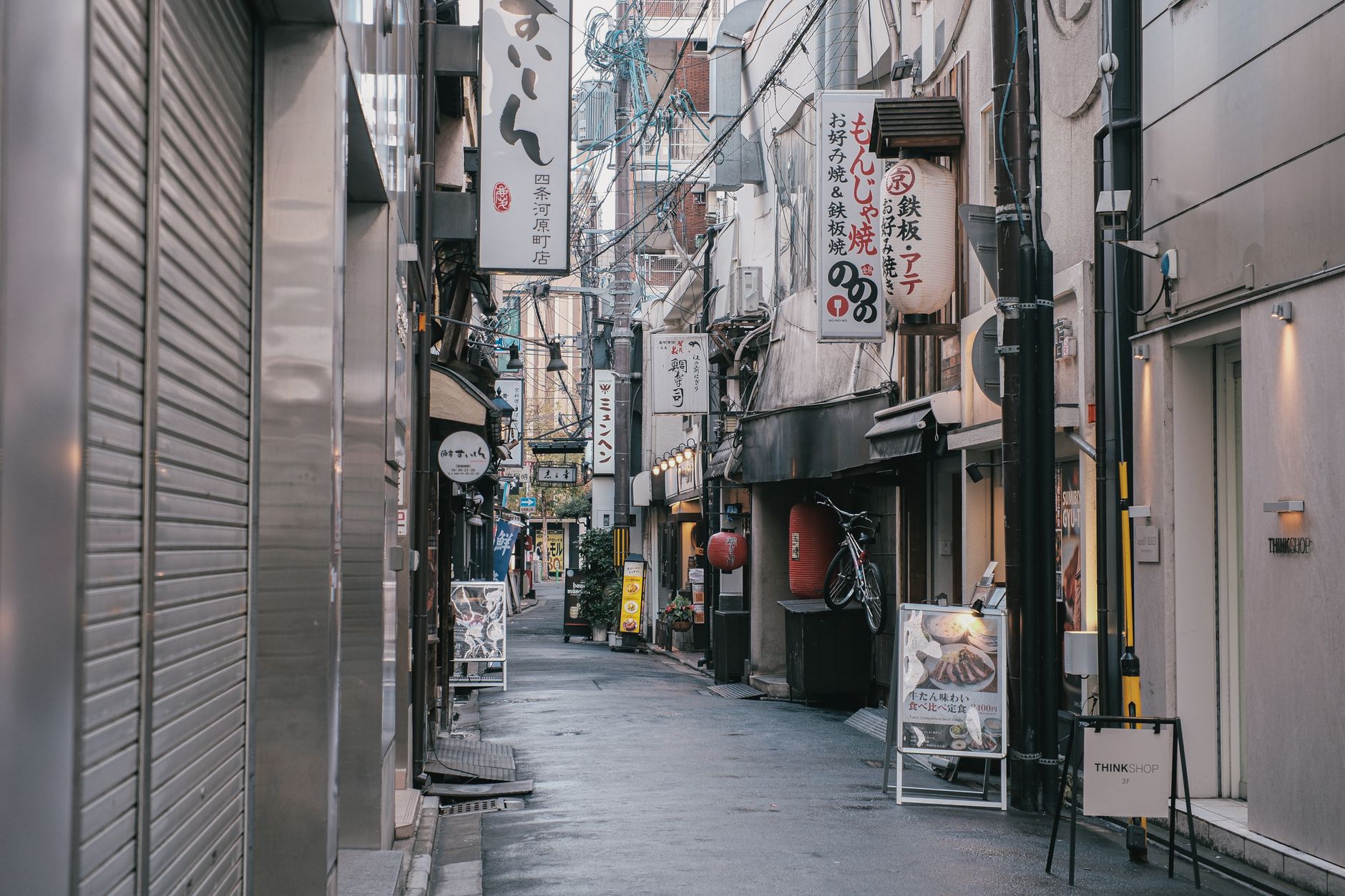
Walk through Tokyo or Osaka and you'll see furusato literally embedded in the urban landscape. Department stores have regional food sections where you can buy products from every prefecture. Restaurants cluster by region—all the Hokkaido ramen shops in one area, Kyushu restaurants in another. There are shops called furusato-kan (hometown halls) that sell products from rural areas.
This isn't accidental. It's a way of keeping furusato alive in the city. You've left your hometown, but your hometown hasn't left you. You can buy the miso your mother used. The vegetables from your prefecture. The sake from your home region.
I walked past one in Shibuya in 2023 and bought yuzu from Kochi. I didn't need it. I just needed to remember that I came from somewhere specific. That somewhere was still real.
How Furusato Shapes Japanese National Identity
Here's something that surprised me when I came back to Japan: furusato isn't just personal. It's structural. It's how Japan thinks about itself as a nation.
The concept gained particular resonance after World War II, when Japan was rebuilding. The sociologist Takao Matsumura documented how the government used furusato—specifically, regional pride and hometown identity—as a tool for national cohesion. Instead of erasing regional differences (like Western modernization often does), Japan preserved them. Every prefecture is encouraged to maintain its distinct character, cuisine, craft traditions, and dialect.
That's not sentimentality. That's structural wisdom. It means that someone from Okinawa never has to completely sever their identity to move to Tokyo. Their hometown remains real, maintained, present through culture and policy.
In the West, we call this "losing your roots." In Japan, they call it impossible. The infrastructure is designed to prevent it.
Three Misconceptions That Keep You From Understanding Furusato
Before I give you the practices, I want to clear away the three things I thought furusato was, and wasn't.
It's Not About Geography. It's About Belonging.
You might have been born in a place you hate. Your hometown might be small or economically depressed or filled with people you've outgrown. That doesn't erase furusato. It complicates it.
Furusato isn't about whether your hometown is "good." It's about whether you're willing to stay connected to it as a source of identity. Even if you've left. Even if you hated it. Even if you never go back.
The connection is internal. You can honor your furusato anywhere.
It's Not Backward-Looking. It's a Current Practice.
This is crucial. Furusato isn't about the past. It's about how the past lives in you now. Right now. In your hands. In your values. In the person you became before you learned to compromise.
Every time you speak a dialect you learned as a child, you're practicing furusato. Every time you prepare a family recipe, you're maintaining it. Every time you remember why something matters to you—independent of what the world tells you should matter—you're living it.
It's Not About Never Leaving. It's About Never Losing the Connection.
I left Kyoto at twenty-three. I lived in London for ten years. I don't regret either. But I regret the years I pretended that leaving meant severing. That success meant becoming someone new.
Furusato says: You can go anywhere. But you don't have to forget where you're from. In fact, you shouldn't.
Five Practices to Reconnect With Your Furusato (Starting Today)
These aren't "exercises." They're just ways of tending the roots that are already inside you.
1. Cook Something From Your Childhood
Not because nostalgia is healing (though it might be). But because cooking is a way of remembering with your hands. Your body knows things your mind forgot.
When I made my grandmother's miso soup for the first time in twelve years, I didn't follow a recipe. My hands remembered the proportion. The way she let the dashi simmer. The moment to add the miso (never boiling—the bacteria dies).
That knowledge was inside me. I'd just stopped using it.
What dish do you remember watching someone make when you were small? Make it this week. Don't look it up if you can help it. Let your memory guide you.
2. Walk Your Hometown Geography—Mentally or Literally
This one is simpler if you live near your hometown. But if you don't, you can do it in your mind.
Walk the route from your childhood home to school. To a friend's house. To a place you felt safe. Notice what you remember. Notice what you've forgotten. The river you crossed. The tree that seemed enormous. The shop on the corner.
The point isn't to relive the past. It's to notice what that place put inside you. What directions you learned. What safety felt like. What normal looked like before you learned to question it.
I walked from my family home to Fushimi Inari shrine in 2023 for the first time in twenty years. The walk was shorter than I remembered. But my body remembered every turn. And I realized: that walk shaped how I understand the sacred. How I understand what a gate means. How I understand red.
I'd been living on that knowledge my entire life without knowing it.
3. Create a Small Altar or Shelf for Your Furusato
My grandmother had her photograph of the Kamo River. You might have something else. A rock from a place you loved. A newspaper from your hometown. A recipe written in your mother's handwriting. A dialect word written on paper.
You don't need it to be "spiritual" or explicitly Japanese. You just need a place that says: this place made me. This place is still real. This place lives in me.
Put it somewhere you see it. Not obsessively. Just regularly. The way a plant needs sunlight, your sense of belonging needs reminding.
4. Learn or Relearn a Dialect Word or Expression
If your hometown had its own way of speaking, relearn it. Not to perform it. But to think in it sometimes.
My grandmother speaks Kyoto dialect—Kyoto-ben. Words that Tokyo people wouldn't use. Expressions that carry a certain gentleness and indirectness that standard Japanese doesn't have.
When I speak it, I don't sound like myself in standard Japanese. I sound like something older. Something that lived in Kyoto for generations before me.
If you grew up in the American South, the Midwest, a rural area, an immigrant neighborhood—there was a language underneath your English. Find a word. Use it sometimes. Let it remind you of the place it came from.
5. Support Something From Your Hometown, Even Small
Buy something made there. Follow news from the region. If you have family still there, call them. Not out of obligation. But as a way of saying: you're still real to me. The place you're in is still real to me.
This is what the furusato tax (furusato nozei) system in Japan is actually about. It's not just about donations. It's about keeping your hometown alive in your mind by being in relationship with it, even at a distance.
When I returned to Japan in 2023, I bought a small kyoto porcel
The Enso — Japanese Wisdom. Every Thursday.
If something in this essay landed for you, The Enso is where I keep writing like this. No productivity hacks. No wellness brand. Just the concepts I grew up with in Kyoto — shared honestly, for people searching for a different way to live.
Free members read:
- The Art of Living Long: What Japan's Centenarians Reveal About a Life Well-Lived
- Beyond Marie Kondo: The Deeper Japanese Philosophy Behind Minimalism
- Wabi-Sabi at Work: Finding Excellence in Your Imperfect Career
- Ma (間): The Japanese Art of Embracing Emptiness — and 4 more member-only essays
Unsubscribe any time. — Kenji